
Wander Better in 2027: Five Shifts to Watch
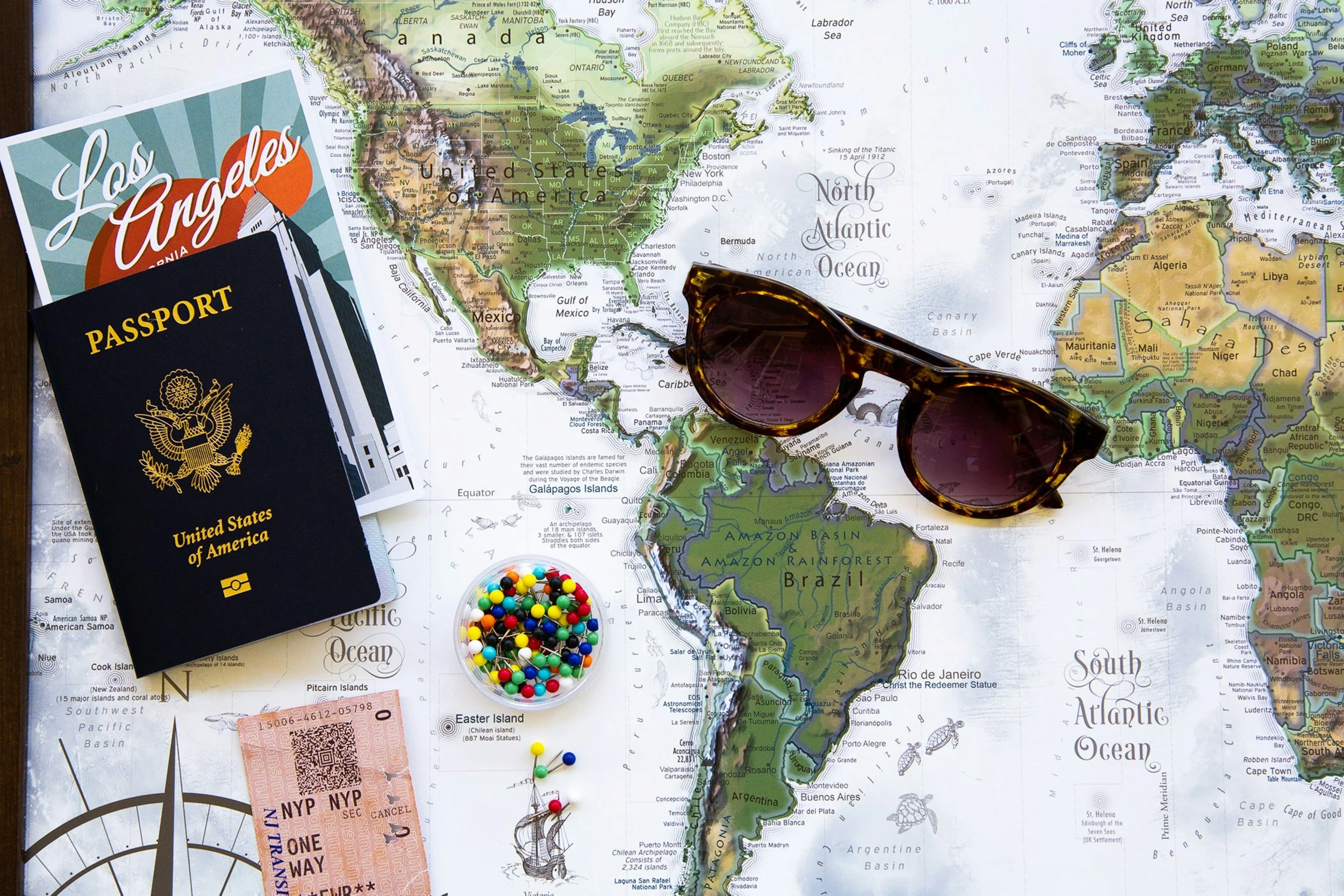
When I look ahead to 2027, I don’t see travelers searching only for the next iconic landmark or the most talked-about resort. I see people asking better questions.
Can I slow down?
Can I experience a place without feeling like I’m rushing through it?
Can I meet the people who make a destination what it is?
Can I return home feeling restored: not simply entertained?
Recent travel reporting, including SmartFlyer’s 2027 Travel Trends Report, points in the same direction: travelers are looking for more intention, more meaning, and fewer moments that feel interchangeable.
That is encouraging to me because these ideas are not new at Wonder to Wander Travel. They are the foundation of how I design travel now: small, curated groups, memorable food, meaningful local connection, and enough breathing room to actually enjoy where you are.
Here are the travel trends I believe will shape 2027: and how I’m bringing them to life.
1. Slow travel will become the new luxury
When I was younger, I traveled fast. I tried to fit as many cities and places as possible into one trip, convinced that more stops meant a better experience. Instead, I usually came home exhausted. I saw a lot, but I didn’t always feel like I had truly been anywhere. That is a big part of why I design trips differently now.
For years, travel has been measured by how much we can fit into a limited number of days. But the moments people remember most rarely come from racing between attractions. They come from lingering over coffee, taking the scenic route, sharing a meal that was never on the original itinerary, or sitting quietly in a landscape long enough to feel its rhythm.
In 2027, I expect more travelers to choose fewer destinations, more time in each place, and a pace that leaves room for rest, conversation, and spontaneous discovery. Slow travel does not mean doing nothing. It means choosing what deserves your attention.
2. Small, curated groups will matter more
Many travelers are moving away from large tours that feel anonymous. They still want support, but they also want the trip to feel personal.
I believe the future belongs to small, curated groups that can move with more ease and intention. That might mean lingering at a family-owned restaurant, saying yes to a local recommendation, or simply having space for real conversation. This works beautifully for families, friends, educational groups, and private celebrations, and it also allows me to curate experiences personally around your family’s interests, comfort level, and reasons for traveling.
3. Food, artisan traditions, and tech-light moments will define cultural immersion
I have always believed that you do not truly know a destination until you have tasted it.
A dish can reveal geography, history, migration, family tradition, and local pride. The same is true of handmade objects. A textile, ceramic piece, carved ornament, or woven basket carries the touch of the person who made it and the tradition they are helping preserve.
I expect travelers in 2027 to search less for generic “things to do” and more for experiences that feel grounded in place: cooking with local families or chefs, visiting markets with someone who knows the ingredients, meeting artists and craftspeople, and taking part in hands-on workshops that support small businesses directly.
This is also where analogue, tech-light travel comes in. Some of the most memorable moments happen when phones stay tucked away and people are fully present: around a table, in a workshop, on a walk, or in a conversation that does not need to be posted to matter.

4. Wellness will be part of the experience, not the whole point
I believe wellness is most effective when it feels natural, not like another obligation on the itinerary.
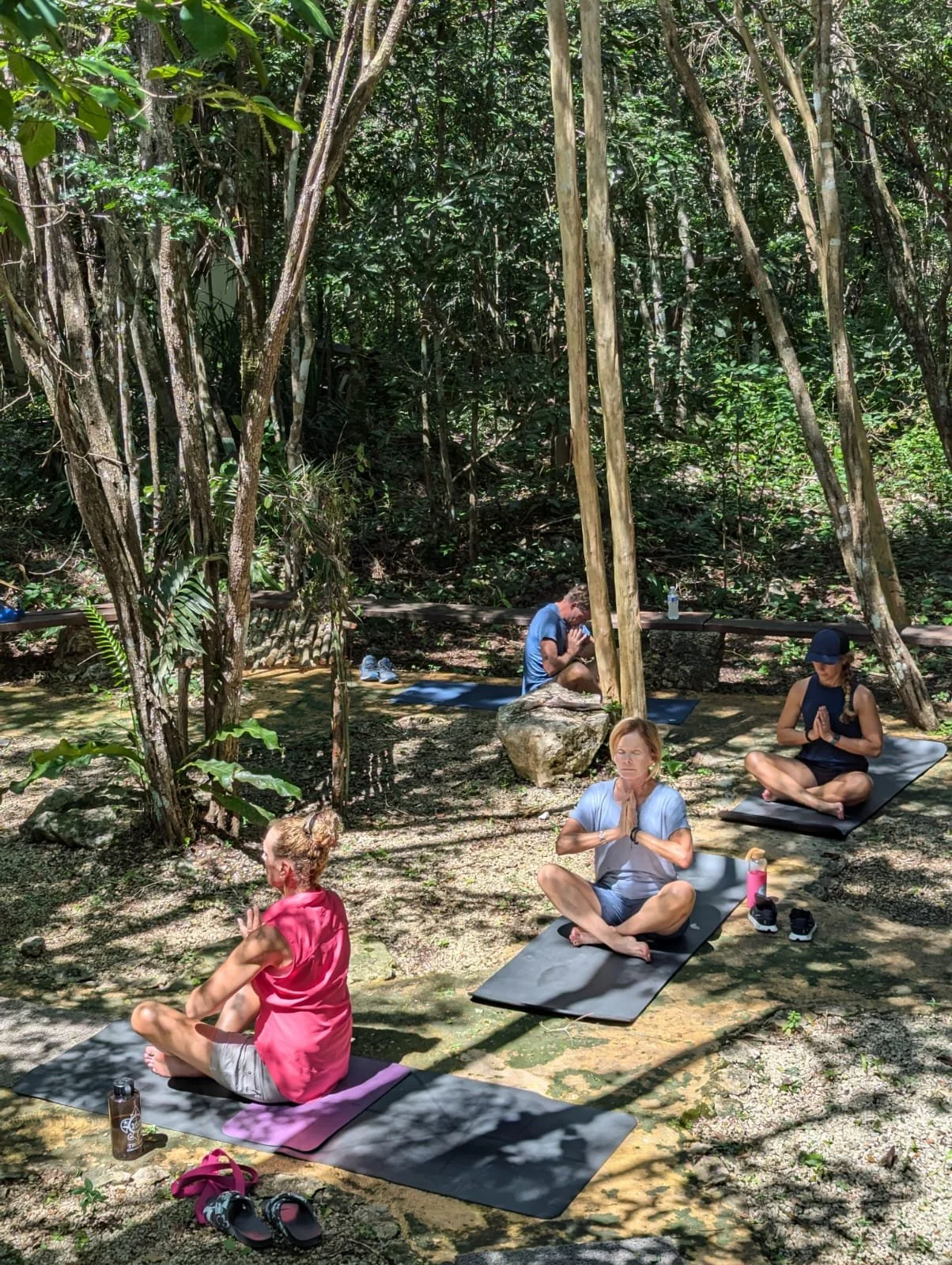
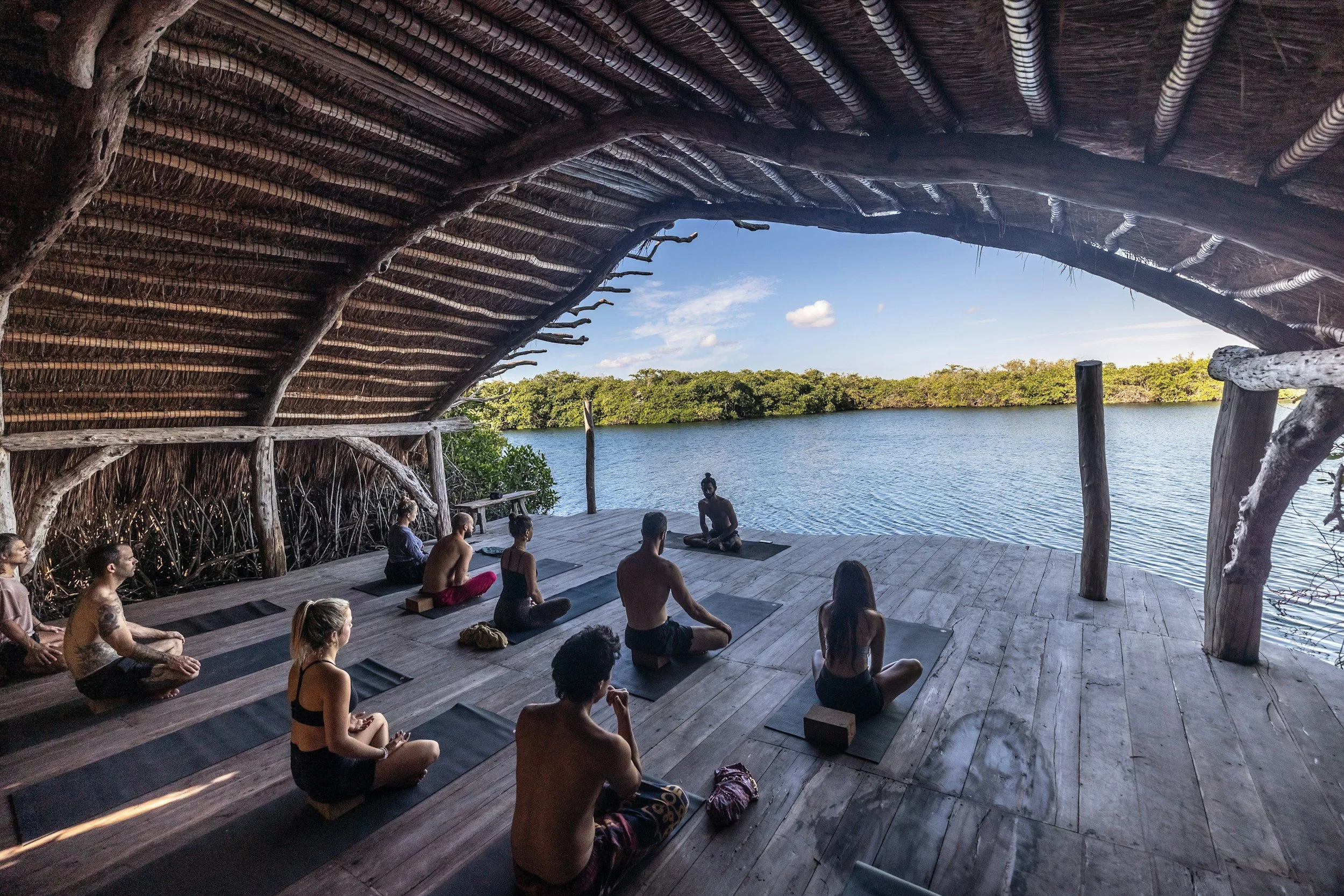
For our cultural retreats, that may mean a gentle morning wellness class, time outdoors, a nourishing meal, or a quiet afternoon to reset. Wellness supports the travel rather than competing with it.
Tulum and Sedona are two distinct offerings, not interchangeable destinations. Tulum offers local food, Maya cultural connections, tropical landscapes, and the textures of the Yucatán. Sedona brings red-rock landscapes, reflection, nature, local exploration, wellness woven into the stay, and experiences such as Indigenous-led walks, sound baths, and aura photography. Each offers a different rhythm and style of cultural retreat, and these experiences can also be adapted for families traveling with children and teenagers.
5. Planning early will matter
If you are considering travel for 2027, I encourage you to start the conversation early.
The best guides, accommodations, and hands-on cultural experiences often have limited availability. Early planning gives us time to shape a trip around what you actually want: the pace, the people, the traditions, and the moments that matter most.
A more meaningful way to wander
The travel trends of 2027 may sound new, but to me they point back to something timeless: people want to feel connected.
Connected to the food on the table.
Connected to the person preparing it.
Connected to the landscape outside the window.
Connected to the companions beside them.
Connected to themselves.
That is the kind of travel I want to keep creating through Wonder to Wander Travel.
Tulum is confirmed for March 10–14, 2027, and Sedona is confirmed for October 7–10, 2027. If one of these speaks to you, don’t wait to begin planning.
Contact Wonder to Wander Travel to ask about the 2027 Tulum and Sedona retreats, or a private journey curated personally for your family.