
Are Big Bus Tours Dead? Why Small Group Travel Is Winning in 2026

Is the big bus tour dead?
Not exactly. There is still a place for an open-top bus, a city highlights loop, and the convenience of seeing several iconic landmarks in one afternoon. For a first visit: or a traveler with limited time: that overview can be useful.
But something has changed.
More travelers are asking a different question: Do I want to simply see a destination, or do I want to experience it?
That distinction is at the heart of the shift toward small group travel in 2026. Travelers are increasingly looking for authentic local connections, flexible itineraries, memorable food, and the freedom to slow down when something unexpected captures their attention.
I understand the appeal of convenience. I also understand the frustration of being hurried through a place that deserves more time. I’ve been on trips where the schedule looked perfect on paper, yet I left feeling as though I had only skimmed the surface.
That feeling is one reason I founded Wonder to Wander Travel. I wanted to create journeys that leave room for curiosity.
The problem with the traditional big bus experience
A large bus tour is designed for efficiency. The route is planned, the stops are scheduled, and the same experience is delivered to everyone.
That structure can work well when your main goal is to cover ground. But it becomes limiting when you want to linger in a neighborhood, ask deeper questions, or follow a local recommendation that was not in the original plan.
Large tours often face practical challenges, too:
Buses must stay on accessible roads and follow fixed routes.
Traffic and parking can consume valuable time.
A large group may struggle to fit into small restaurants, workshops, and family-run businesses.
The pace is determined by the schedule rather than by the people traveling.
Conversations with guides can feel more like a performance than a genuine exchange.
Industry commentary has pointed to similar pressures, including rising operating costs, congestion, and traveler demand for more personalized experiences. At the same time, group travel itself is not disappearing. Forecasts from the U.S. Travel Association indicate that group travel remains an important part of the travel economy.
The change is not that people no longer want to travel together. It is that they want to travel together more intentionally.
Small groups create room for real connection
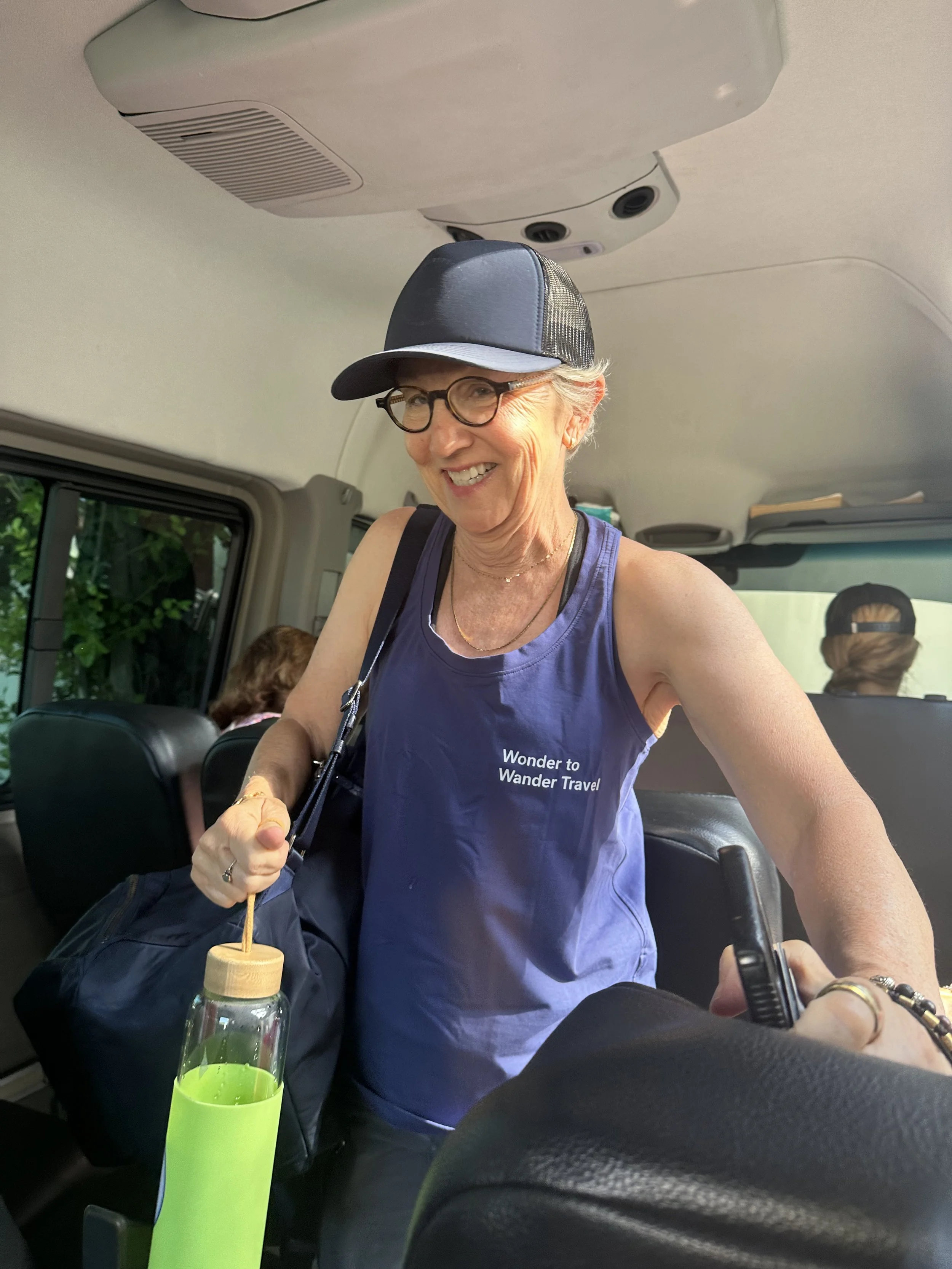
At Wonder to Wander Travel, I personally curate each trip, and we keep our groups between 8 and 10 people.
That size matters.
With a small group, a local guide can speak with everyone: not just the people standing closest to them. Guests can ask questions, share observations, and have a real conversation instead of listening to facts through a microphone.
Small groups also make it easier to build relationships with the people who call a destination home:
A local guide who knows the history behind an understated side street
An artisan who can explain how a traditional craft is made
A family who welcomes guests into their home for a meal
A chef who shares the story behind a regional dish
A small business owner whose work reflects the character of the community
These encounters are not about collecting unusual photo opportunities. They are about showing up with respect and being invited into a more personal version of a place.
Flexibility is not a luxury: it changes the trip
One of my favorite parts of leading small group travel is watching the itinerary become more personal as the journey unfolds.
Perhaps the group discovers a market that deserves another hour. Maybe a local guide suggests a family-run restaurant that was not on the original plan. Someone wants to spend more time taking photographs, while someone else is fascinated by the history of a particular neighborhood.
With a large tour, those moments can be difficult to accommodate. With a small, curated group, we can pause and make decisions together.
That does not mean every day is improvised. Thoughtful planning is still essential. Flights, accommodations, transportation, reservations, and timing all need to be handled carefully. But a well-designed itinerary should have enough breathing room to respond to the people who are actually on the trip.
I saw that clearly on my first trip to Tulum. The group had a few excursion options to choose from, and together we voted to visit the ruins. Once we arrived, our guide Diego gave everyone another choice: a shorter version of the visit or a longer one with more history. Every single person chose the long version.
I still think about that moment because it says so much about what small group travel can do. The itinerary had room to breathe, the group made the decision together, and that flexibility led us into a deeper experience than the original plan required. We did not just check off a landmark. We stayed curious a little longer, and that changed the feel of the day.
The best travel days often begin with a plan and end with a story you could not have scheduled.
Seeing a place is different from experiencing it
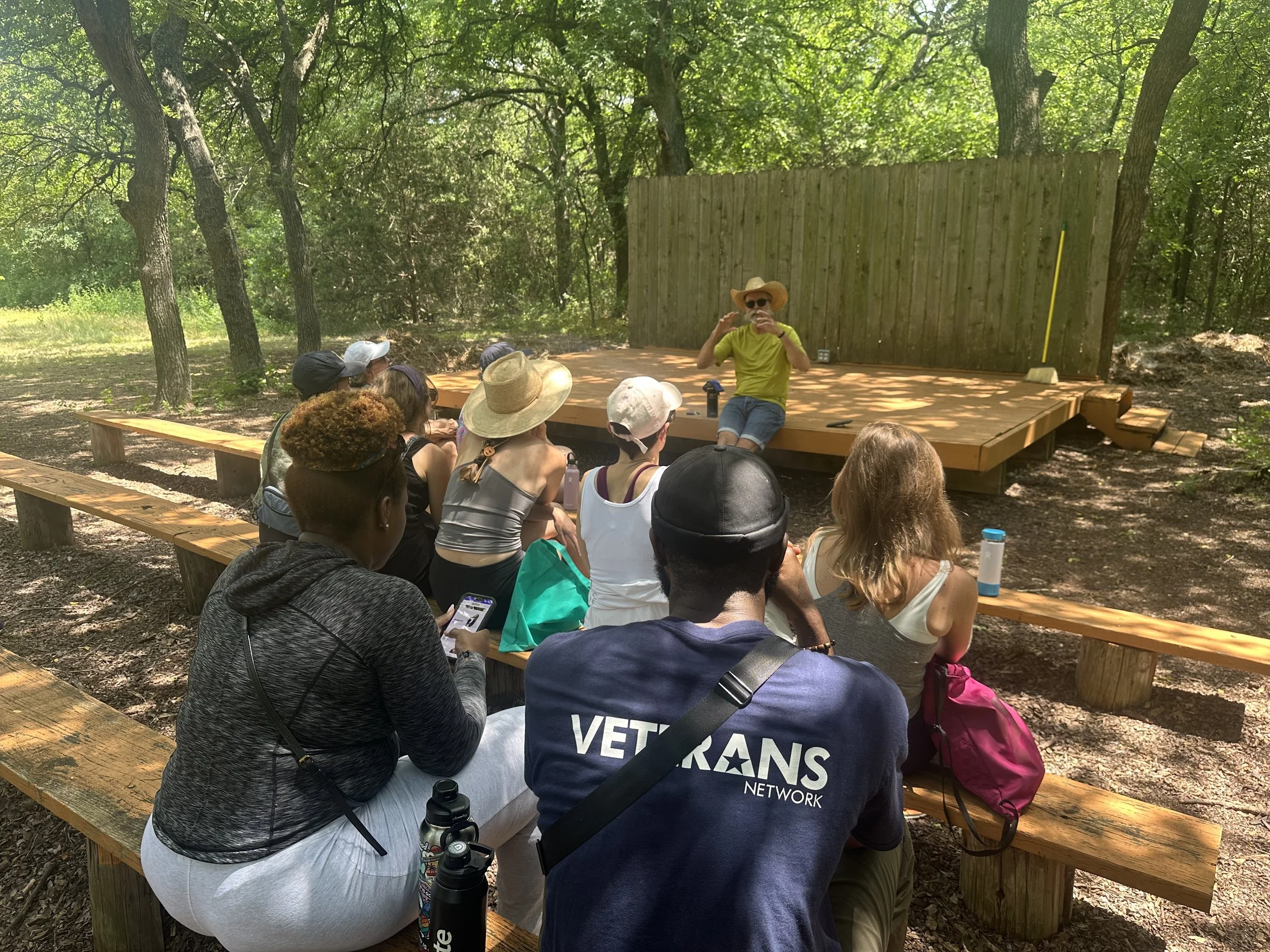
A big bus may take you past a historic building. A small group may allow you to enter it, meet someone connected to its story, and understand why it matters.
A large tour may point out a famous food market. A smaller experience may introduce you to the vendor who has worked there for decades, then guide you toward the dish locals order when they want comfort.
This is the difference between sightseeing and cultural immersion.
For me, food is one of the most natural ways to cross that distance. As I wrote in “Why We Eat Together: How Food Connects You to a Place,” a shared meal can transform a group of travelers into a community.
You notice the garlic warming in oil, the smoky scent of a cooking fire, the texture of handmade dough beneath your hands. You listen to stories over dinner. You learn which ingredients are local, which traditions have lasted, and how food connects families to the land.
These experiences do not need to be extravagant to be meaningful. Sometimes the most memorable meal is served at a casual street table or in a small restaurant without polished décor. What matters is the context, the welcome, and the connection.
Small group travel also feels more human
There is another benefit that is harder to measure: emotional ease.
Travel can be thrilling, but it can also be tiring. You may feel overwhelmed by unfamiliar transportation, new customs, language barriers, or the pressure to make every moment count.
I know that feeling personally. I have traveled solo and cried on every trip alone: sometimes from frustration, sometimes from loneliness, and sometimes from the sheer intensity of navigating a new place. Those experiences made me more confident, but they also taught me how valuable it is to have the right kind of support.
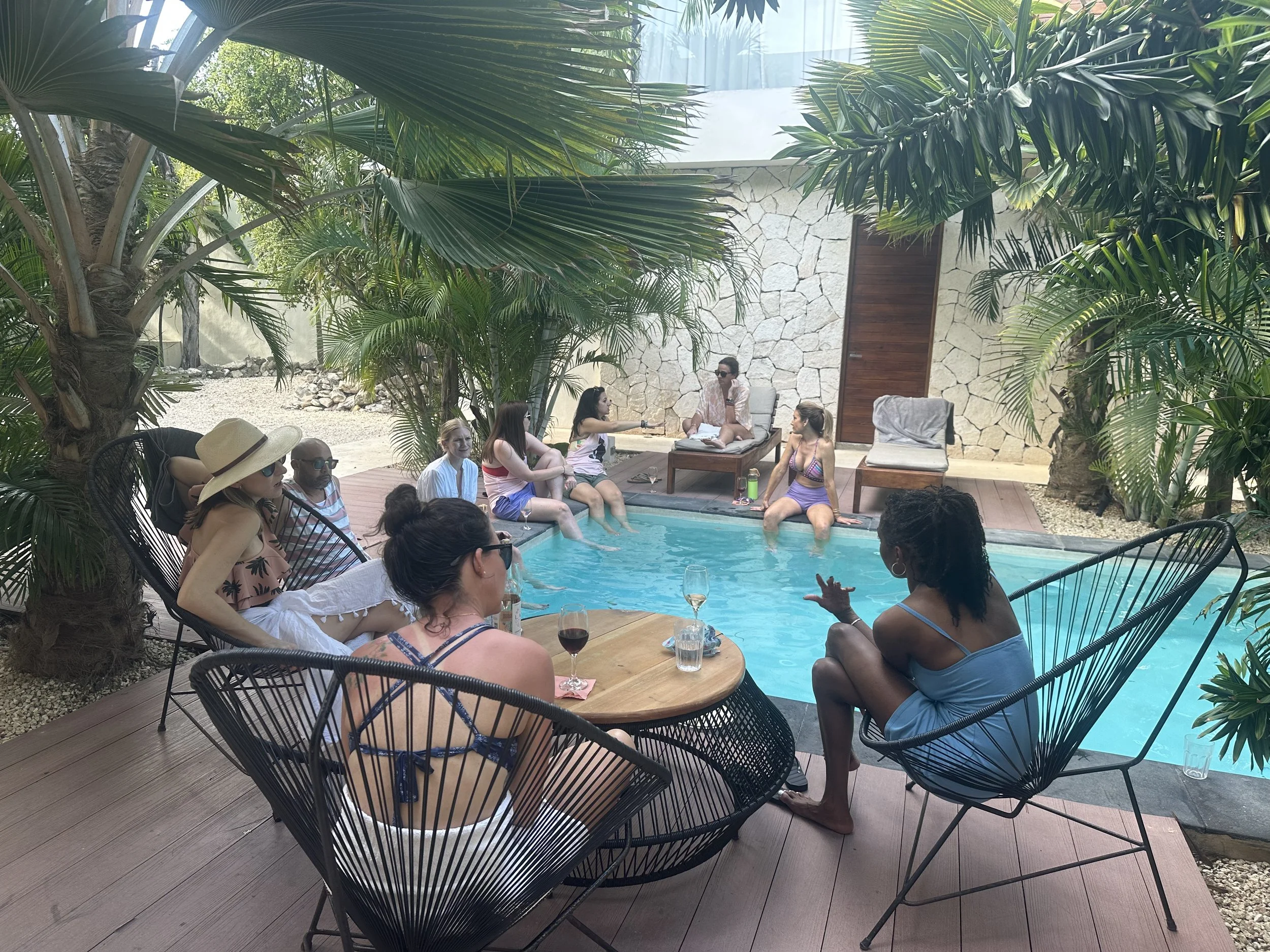
A small group offers companionship without requiring you to give up your independence. You can share a meal, explore with a local guide, and return to a welcoming group at the end of the day. You can also take an hour for yourself when you need quiet.
As I explain in “Traveling Solo? Why a Private Group Tour Might Be Your Perfect Match,”, this middle ground can be especially appealing if you want the freedom of independent travel without carrying every logistical responsibility alone.
So, are big bus tours dead?
No. They remain useful for certain travelers and certain destinations.
But the anonymous, rushed, one-size-fits-all version of group travel is losing its appeal. Travelers want more say in how they spend their time. They want to support local businesses, eat food with a story behind it, and discover the places a large vehicle cannot reach.
They want to feel present.
That is why small group travel is winning in 2026: not because everyone wants luxury or exclusivity, but because many people want their travel to feel more human.