
How to Pack for a Cultural Immersion Trip: What to Bring (and What to Leave Behind)

A lot of people ask me how I only pack with a carry-on these days. It wasn't always that way. When I first met my partner, he had a strict "no checked bags" rule, and let me tell you — it was a struggle. I used to be the big packer who wanted to look cute on every trip and have all the options. Now I'm a carry-on convert, and honestly, it's made travel so much freer. So here's what I've learned about packing light without sacrificing the experience.
Packing for a cultural immersion trip isn't just about fitting clothes into a bag. For me, it’s about making space for ease, connection, and a little more spontaneity. The lighter I travel, the more open I feel — open to the rhythm of a place, to unexpected conversations, and to the small, meaningful moments that tend to get lost when I’m dragging too much stuff behind me.
The Philosophy of the Half-Empty Suitcase
This is still one of the best packing lessons I know: aim to leave with your suitcase only about two-thirds full.
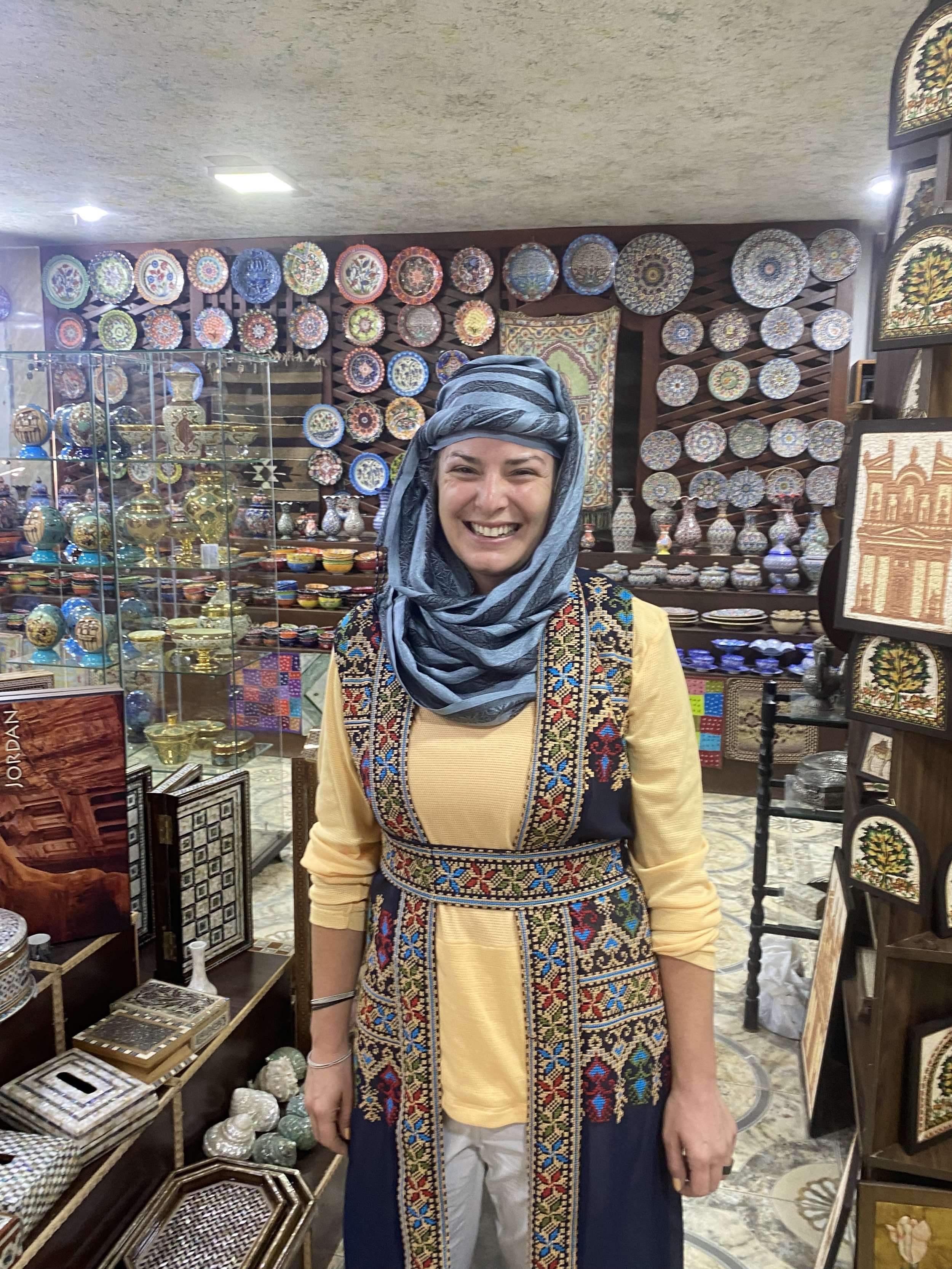
I know that can feel uncomfortable at first, especially if you like options. I used to. But that extra space matters. It gives you room to bring home something with a story — a textile from a local artisan, a beautifully made piece of jewelry, a ceramic bowl, or a small handmade item that reminds you exactly where you were and who you met.
For me, a half-empty suitcase isn't about deprivation. It's about intention. If I fill my bag to the brim before I leave, I miss the chance to support the local economy in a real, personal way. When you buy directly from makers and small shops, you're not just shopping. You're participating in the place you're visiting.
Start small. Choose the smaller suitcase. Challenge yourself to pack less than feels natural. It rewards every kind of traveler with more flexibility, less stress, and more room for what actually matters.
Dressing with Respect and Ease
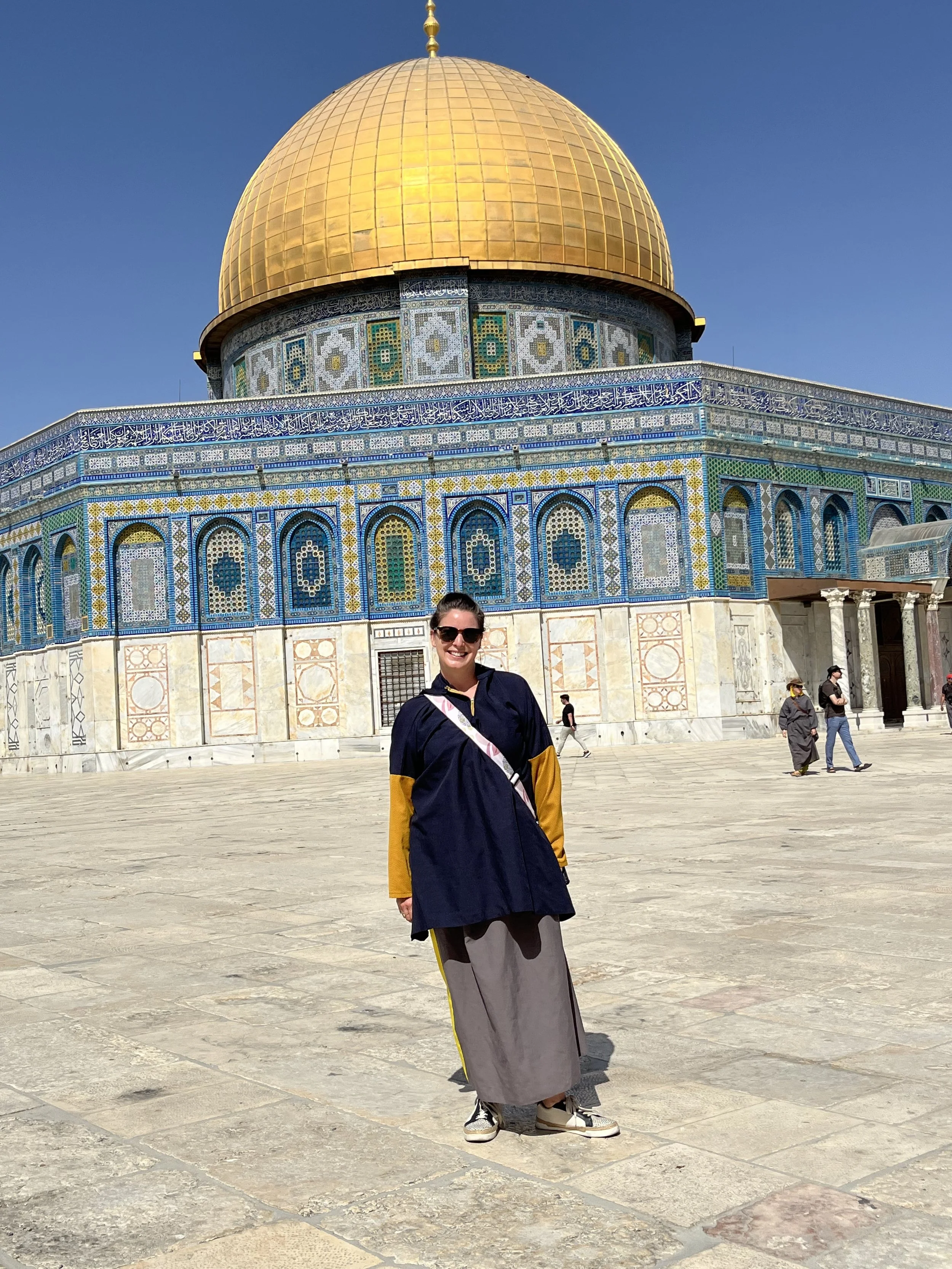
One of the questions I hear most often is what to wear on a culturally immersive trip. My advice is simple: dress in a way that feels respectful, comfortable, and true to you.
In many destinations, I like to use the shoulder-to-knee idea as a practical guide. That usually means choosing outfits that cover your shoulders and fall to at least the knee, especially if you’re visiting sacred spaces, spending time in traditional communities, or being welcomed into someone’s home. It’s not about erasing your personality. It’s about showing care.
Breathable fabrics make a huge difference. Linen and cotton are always wonderful, especially in warm climates, but I’m also a big fan of athletic or performance fabrics that breathe well and offer built-in SPF or even insect-repellent features, depending on where you’re going. Those pieces can be fantastic for travel when you choose them well.
I also think people overcomplicate color. Neutral palettes are incredibly useful as a base because they mix and match easily, but color can be absolutely wonderful in the right destination. Pack what makes you feel good and fits the place you’re visiting. The goal isn’t to blend in completely. The goal is to feel comfortable in your own skin while being respectful of the environment around you.
A lightweight scarf is still one of the most useful things you can bring. It can add coverage when you need it, give you a little warmth on a cool evening, and make a simple outfit feel finished without taking up much room in your bag.
Footwear for Real Travel
If there is one area where I’ll always be blunt, it’s shoes. This is not the place to be overly optimistic about style over function.
Bring one pair of good walking shoes and one pair of comfortable sandals. That’s usually enough. Both should be practical, versatile, and already broken in. If your shoes need a "test run," they are not ready for the trip.
When you travel this way, you move a lot. You walk through markets, across uneven streets, up staircases, into family homes, through museums, and sometimes straight from a day of exploring into dinner. The right shoes make all of that easier. Your feet will thank you, and you’ll enjoy the experience so much more.
The Immersion Toolkit: What to Bring
Beyond clothing, there are a few things I love to pack because they make travel smoother, more thoughtful, and more flexible.
Resistance Bands: They take up almost no space, and they make it easy to work out anywhere. If I want to move my body in a hotel room, outside on a terrace, or during a quiet moment in the day, resistance bands are perfect.
Small, Meaningful Gifts: If you’re spending time with a local family, guide, or host, a small gift from home can be such a lovely gesture. It doesn’t need to be elaborate. It just needs to be thoughtful.
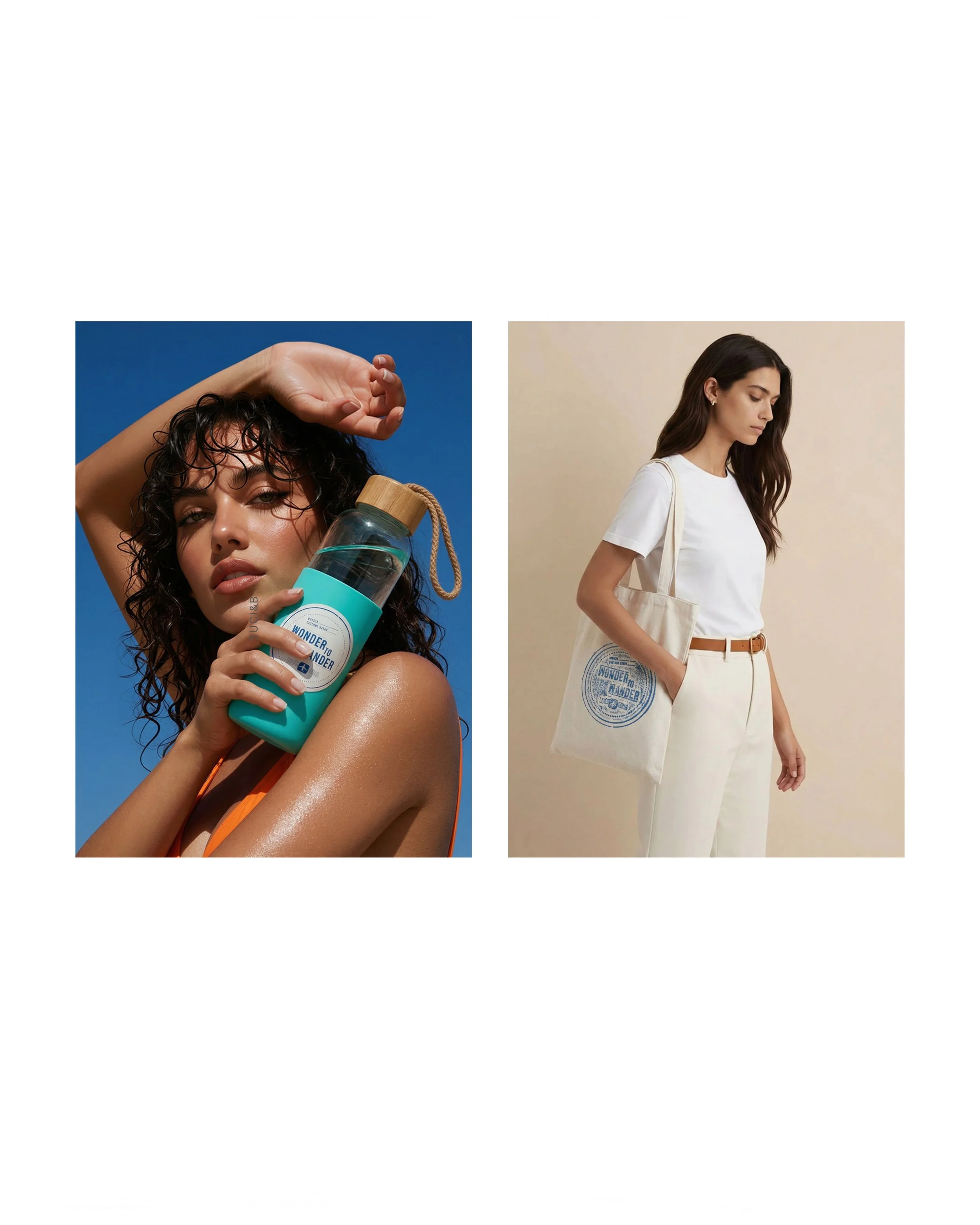
A Reusable Water Bottle and Tote Bag: I always recommend both. A reusable water bottle helps cut down on waste, and a foldable tote is endlessly useful for market visits, snacks, or the treasures you swore you weren’t going to buy and absolutely did.
A "Yes" Mindset: This matters more than almost anything else. Pack a willingness to try, to listen, to be a little uncomfortable, and to stay curious. You don’t have to say yes to everything, of course, but traveling with openness changes the entire experience.
What to Leave Behind
It is just as important to think about what not to pack.
Assumptions and Stereotypes: Leave your expectations at the door. Let a place reveal itself to you instead of forcing it to match what you imagined.
Excessive Technology: You do not need a device for every possible scenario. Bring what is useful, but don’t let screens become a barrier between you and the people around you.
Single-Use Plastics: Whenever possible, skip the disposable extras. Small choices add up, and they matter.
Ready to Wander?
Packing light has become one of the simplest ways I know to make travel feel better. It gives you more freedom, more flexibility, and more energy for the things that actually make a trip memorable.
You do not need to bring everything to be ready. In my experience, you need less than you think — and a little more trust in yourself than you may realize.
If you're planning a culturally immersive trip and want help creating something thoughtful, personal, and beautifully paced, reach out to us at Wonder to Wander Travel. I’d love to help you travel in a way that feels meaningful, respectful, and genuinely enjoyable.