
Educational Travel for Families: Why the Best Lessons Happen on the Road
What does educational travel for families really look like?
For me, it does not begin with a lecture or a long line outside a museum. It begins with a question from a child, a new flavor, a conversation with someone whose daily life looks different from your own, or a small challenge your family solves together.
I’ll be honest: the phrase educational travel can sound overly structured. But the trips I build at Wonder to Wander Travel are designed around something more natural: people, place, and participation.
These are not off-the-shelf itineraries. I curate these experiences personally for your family, shaping each trip around your interests, your pace, and the moments that will feel meaningful to you.
When children are invited to do more than observe, they learn by tasting, listening, asking, making, navigating, and connecting. And the grown-ups learn right alongside them.
The Road Is a Classroom Without Walls
The basic idea behind experiential learning is simple: people understand more deeply when they participate instead of only hearing about something. Travel brings that principle to life.
A child may read about agriculture, community, or tradition in a book. On the road, they might meet the person growing coffee, identify an unfamiliar ingredient at a market stall, or watch a local family care for honeybees. These are real encounters with texture, taste, and human stories.
That kind of learning stays with us. Years later, you may not remember every detail from a formal tour, but you may remember the warmth of a kitchen, the taste of fresh honey, or the way someone welcomed your family into their home.
I’ve built bespoke travel experiences around those moments because they create a richer relationship with a destination and with one another.
Food Teaches More Than a Menu Ever Could
One of my favorite ways to make travel meaningful for families is through food. Eating together creates an immediate bridge between people.
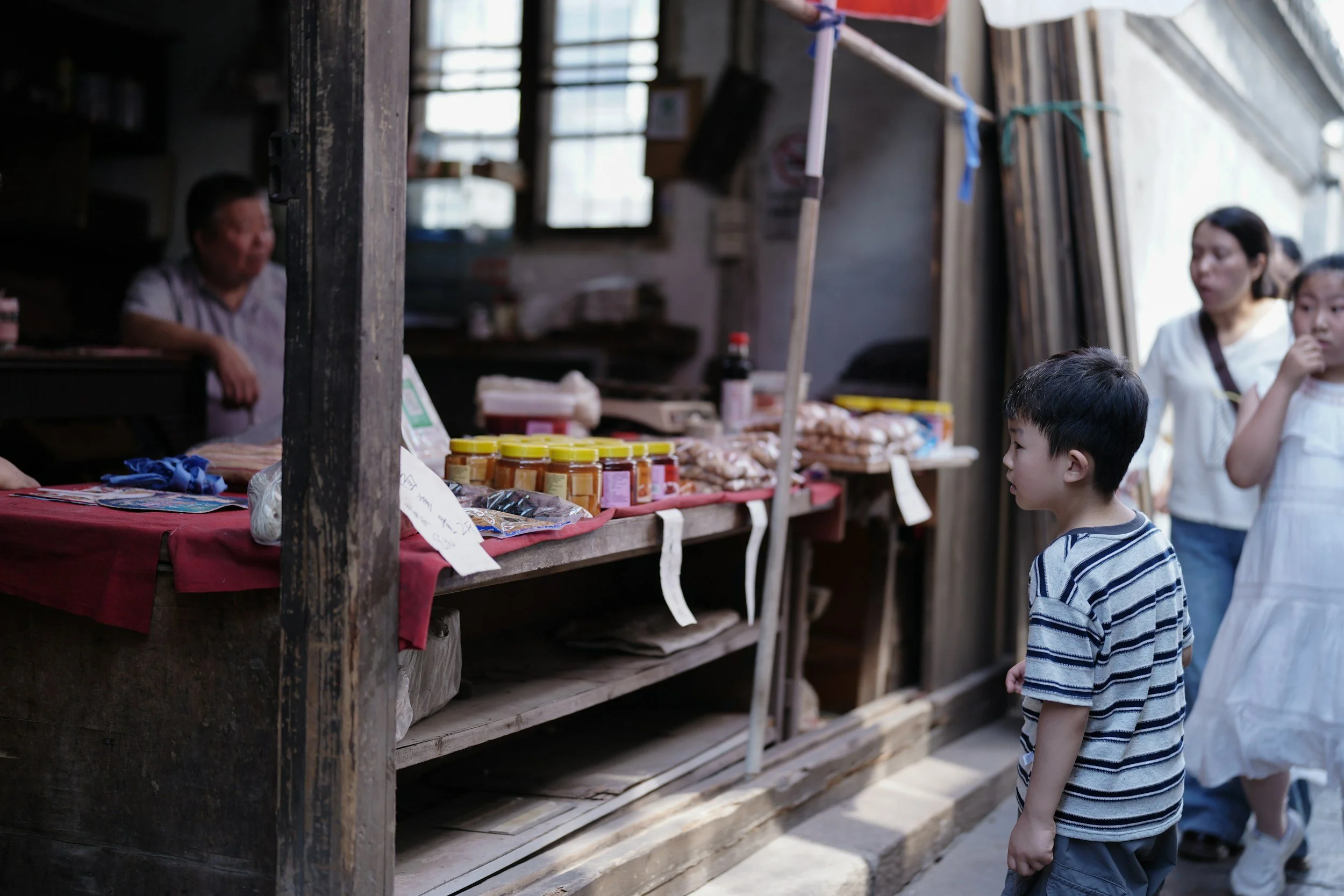
In Tulum and Guatemala, food walking tours help families understand a place through taste, story, and region. In Tulum, travelers learn that tacos come from different locations and traditions. In Guatemala, families visit different regions and discover that some recipes or drinks belong specifically to that place. Children learn to observe, ask questions, try something new, and understand that food carries geography, identity, and family history in a very approachable way.
You can read more about the role food plays in our approach in Why We Eat Together: How Food Connects You to a Place.
Real People Make Lessons Personal
The most powerful learning often happens through a relationship, not an explanation.
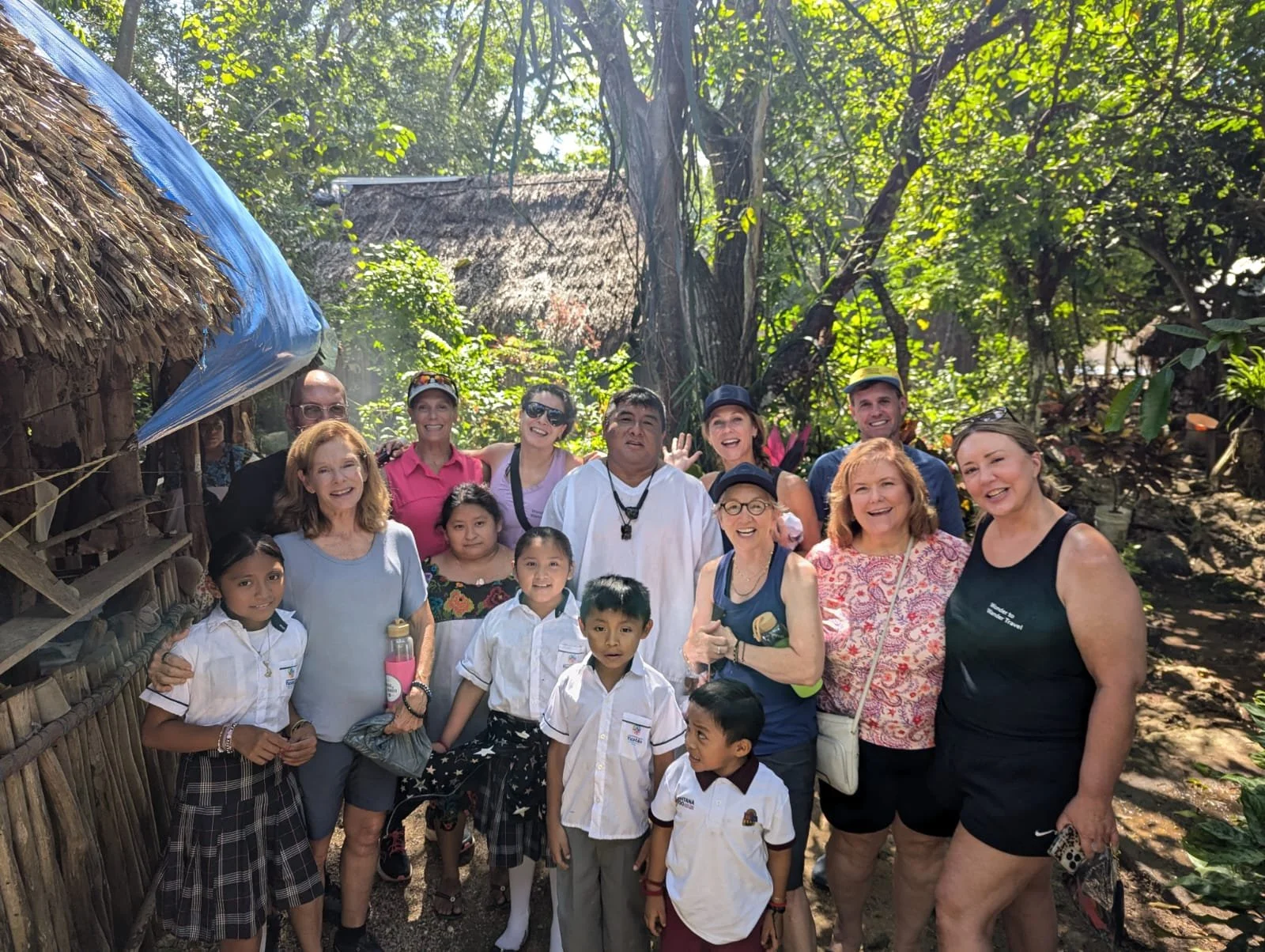
In Tulum, families can visit a Mayan shaman’s home in the jungle to learn how his family cares for honeybees. They also meet his family and children and see how they live outside in the jungle, which gives the experience a more personal and grounded feeling. As he welcomes guests into that environment, he shares how the plants growing all around them are used for medicine and medicinal purposes, showing how what might look ordinary to an outsider can hold real healing value in daily life. Guests can buy local honey, and each person receives their own cleansing ceremony. There is also the opportunity to purchase stones and crystals that he can bless.
For a child, this experience opens a window into daily life, tradition, and respectful cultural exchange.
The goal is not to turn a living tradition into a performance. It is to create space for a genuine exchange, with care for the people and practices welcoming you. That is one of the reasons private travel can feel so different from mass tourism. In very small groups, there is more room to listen and let the experience unfold at a human pace.
Guatemala: Learning Through Craft, Community, and Care
We partner with a nonprofit in Antigua that supports local women through initiatives like bunkbeds for girls and coffee-growing training.
Through that partnership, travelers meet local artisans and make worry dolls by hand, learning the story behind them and creating something meaningful to take home. It is a warm, hands-on way to understand women’s work in Guatemala, where the literacy rate for women is only about 15 percent and some husbands are away working to support the family, making direct support of a woman’s craft especially meaningful.
Sedona Invites Families to Notice the World Differently
Sedona teaches through landscape and movement.
An Indigenous-led sunset walk offers families a chance to learn about the land through the perspective of someone connected to it. As the light changes across the red rocks, children often begin to notice details they would have missed while rushing from one attraction to the next.
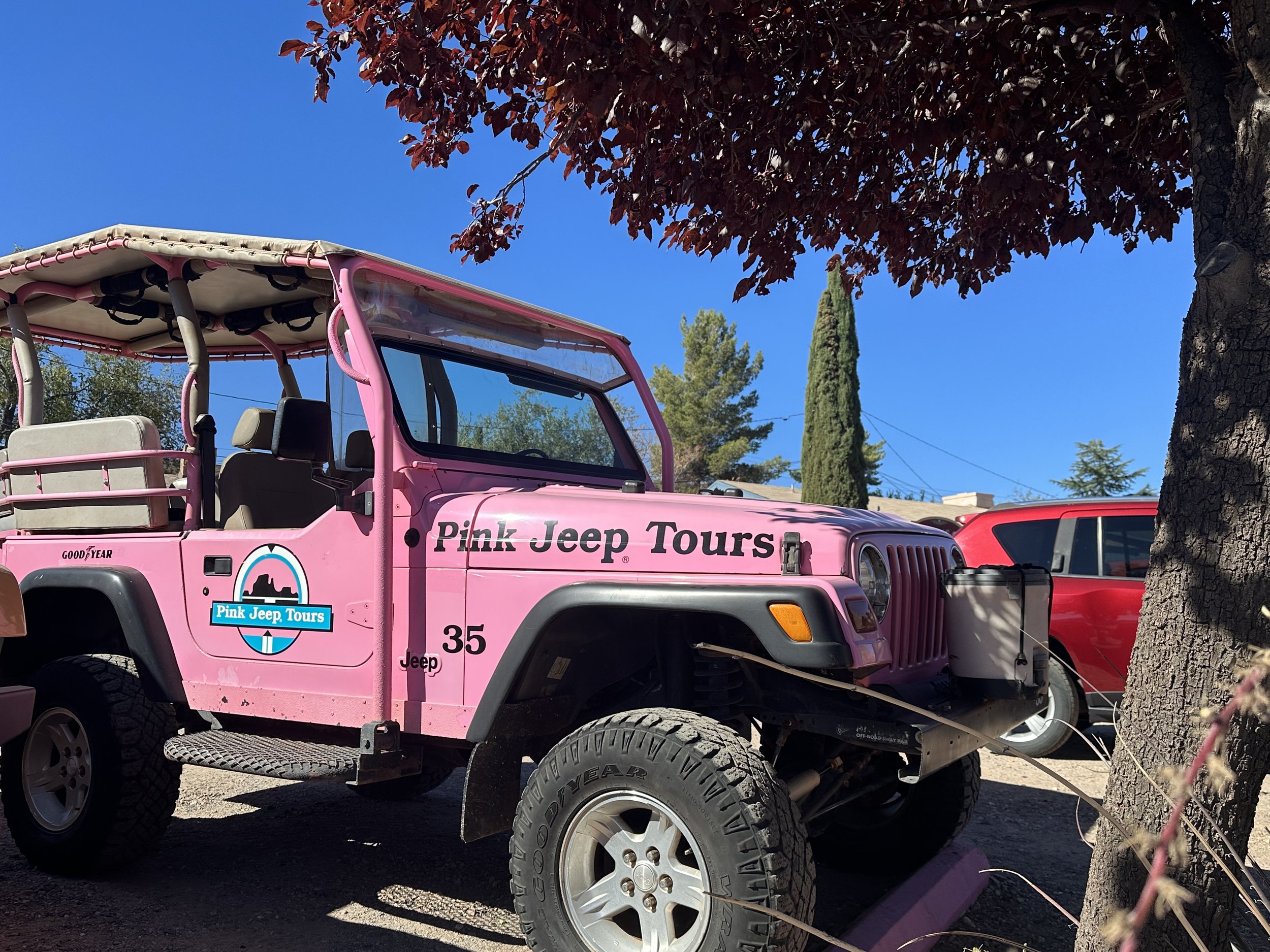
A Jeep tour to the vortex introduces another kind of learning. Families can explore Sedona’s distinctive geography and discuss the different ways people interpret a place.
Let Children Participate in the Journey
The best educational travel for families does not mean handing over the whole itinerary. It simply means giving children a meaningful role. Let them choose one experience they are excited about, ask questions during the trip, or pick a small artisan-made souvenir to bring home. That kind of participation helps turn the trip from something they watched into something they truly felt part of.
Educational travel does not have to be elaborate. Start small. Choose one hands-on activity and let your family experience a place through its people instead of moving through it as spectators.